Spa Sanitiser Made Simple: Chlorine vs Bromine

Many spa owners are unsure of which sanitiser to use and we sympathise. It’s totally understandable, especially when every spa seems to have slightly different needs and there are so many available spa sanitiser options.
Choosing a suitable form of spa sanitiser is about more than just keeping your spa water looking clear. It can also determine how comfortable or irritative the water is on your skin and frequency of maintenance. In this article, we’ll take a closer look at chlorine and bromine, explain the differences and share some practical tips to help you decide which is best for your spa.
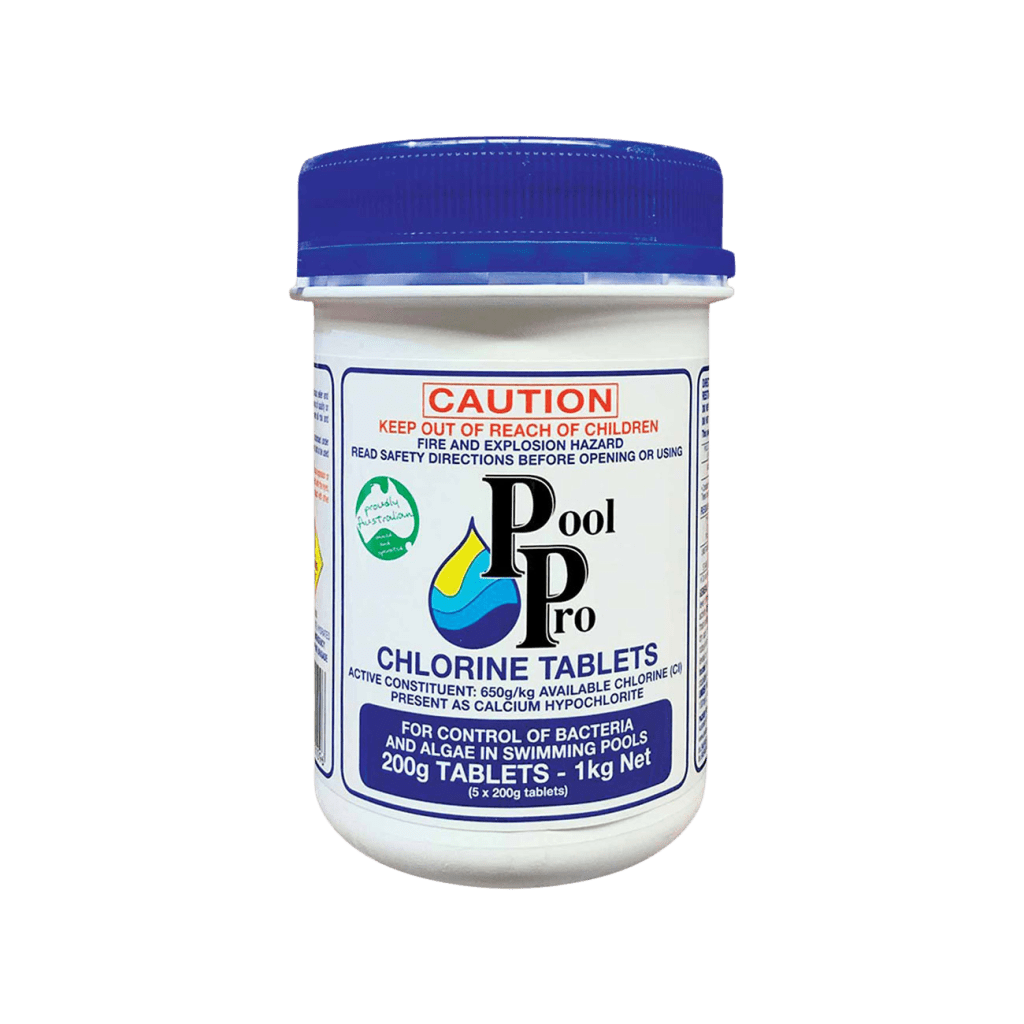
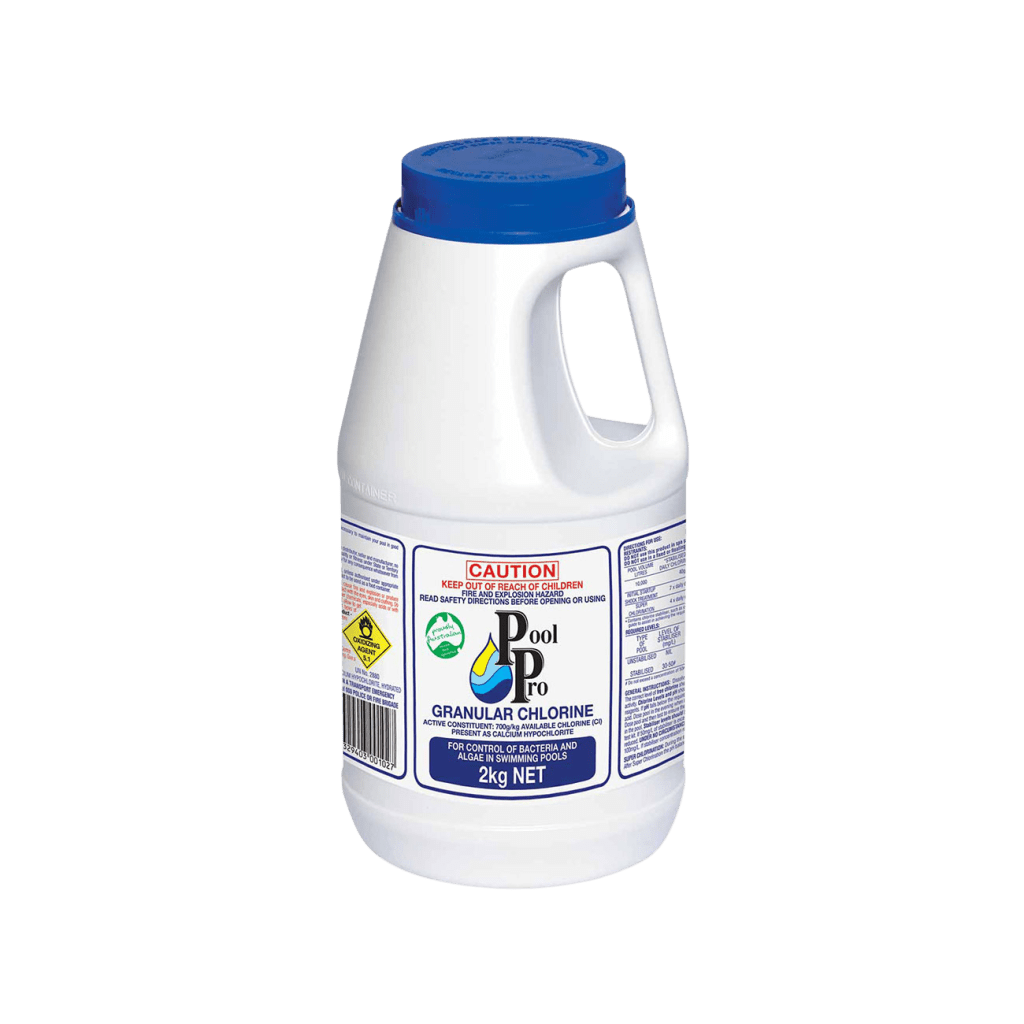
Spa Chemical: Chlorine
Chlorine works by attacking and breaking down contaminants in your spa water. Over time, some of the chlorine turns into a waste by-product called chloramines, which we often call “combined” chlorine. Chloramines are what cause that classic chlorine smell and skin/eye irritation. They also reduce how effective your chlorine is at sanitising as they reduce your available chlorine.
To keep chloramines under control, it’s important to add chlorine to your spa regularly usually at least once a week and remove the lid so it can “breathe”. This allows the chlorine to “oxidise” the organic waste which then needs to evaporate hence leaving the lid off for a couple of hours for this process to be completed.
🫧The ideal free chlorine level is 1 ppm to 3 ppm.
- Pros: Fast-acting, widely available, cheaper and most effective in cooler spas
- Cons: Loses effectiveness at high temperatures making it less suitable for spas than for pools, can cause a stronger odour and skin and eye irritation due to chloramines, may require more frequent dosing compared to bromine.
💡TIP: When you test your water in-store, the ‘combined chlorine’ reading is your chloramine level
Spa Sanitiser: Bromine
Bromine is our personal spa sanitiser reccomendation for spas due to its stability under higher temperatures and pH levels. Spas usually have a slightly higher pH and bromine is not affected by pH as much as chlorine is. This means it can stay active longer than chlorine in these conditions.
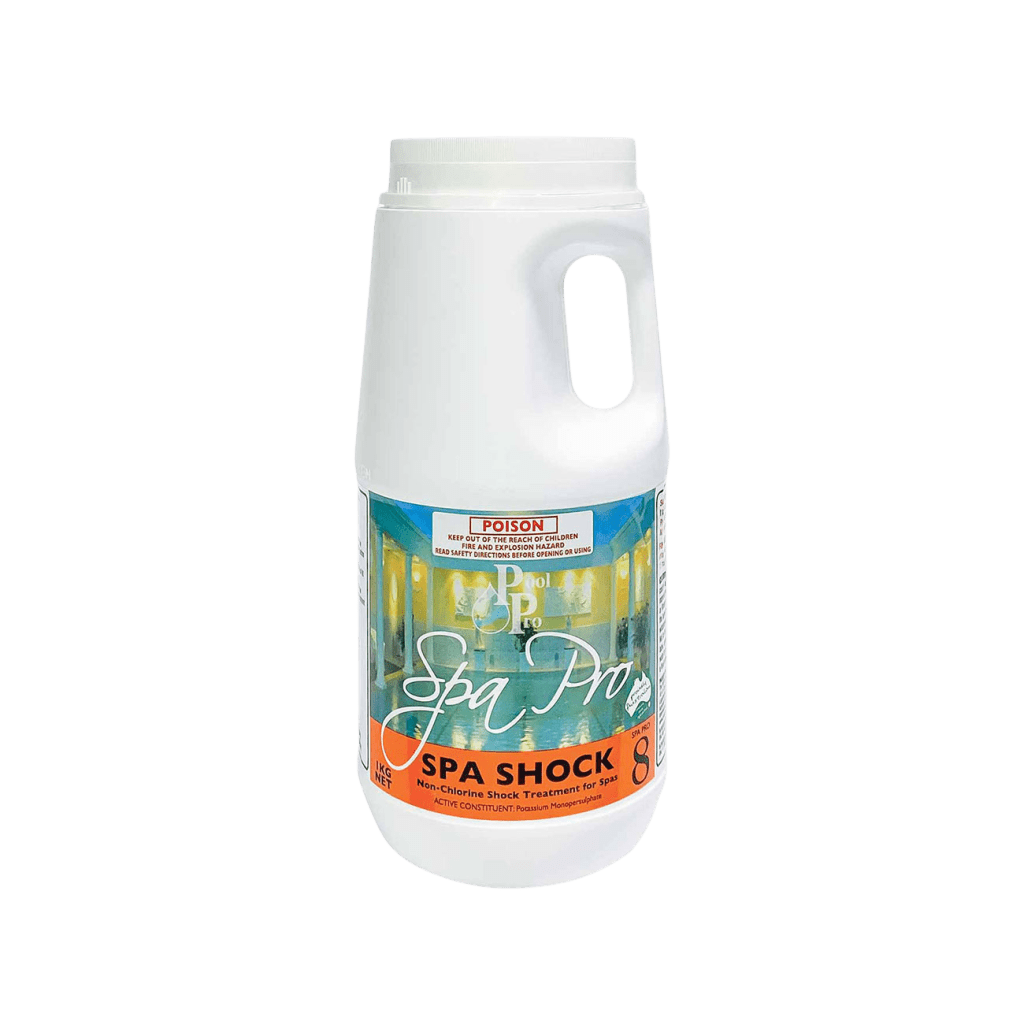
Bromine sanitises your spa by breaking apart contaminants and a good amount stays active even after reacting. It does create a by-product called bromamines which aren’t as harsh as chloramines but can still reduce its effectiveness. Giving your spa a regular shock with an oxidising spa chemical (like the spa shock pictured below) helps keep the water clean and sanitised. Your spa will benefit from a regular shock try using it after every spa and again once a week if you are using it 2-3 times per week. Remember to leave the lid off for a couple of hours so the oxidisation process is completed.
🫧The ideal bromine level is 3 ppm to 6 ppm
- Pros: Gentle on skin/eyes, more effective in a heated environment, works better at higher pH levels which are typical for spas and byproducts generally have less of an odour than chloramines
- Cons: Slightly more expensive and slower to act than chlorine

Here’s a simple way to look at it: If your spa is heated above 37°C or you’re prone to skin sensitivity, bromine is probably the best option for you. Chlorine is great if you want a fast-acting and cost-effective option, but it does require more frequent dosing.
What Next?
Now that you know the differences between these two spa sanitisers, the next step is putting it into practice.
- Start by checking your spa water so you know where your levels are sitting and what spa chemicals are required
- Choose the spa sanitiser that best suits how you use your spa and what feels most comfortable for you.
- Once you’ve got that sorted, keeping things running smoothly is really just about a consistent maintenance routine.
If you feel that you need a second opinion or extra guidance, bring a water sample into the store and we can help point you in the right direction.
Soak Up the Benefits
When you use the right spa sanitiser correctly and keep up with a simple maintenance routine, your spa water has a better chance of staying clear, safe, and balanced which makes all the difference. You’ll enjoy a more comfortable soak with less irritation, spend less time worrying about chemicals, and get more moments to simply relax and unwind. A little regular care goes a long way so you can focus on enjoying your spa rather than stressing over it.
Both chlorine and bromine do a great job keeping your spa water safe and clean when used correctly. If you’re unsure which is best for your setup, bring in a water sample, chat with our friendly team and browse our range of spa chemicals to find the right fit for your spa “because everyone deserves to have a safe and healthy pool.”